The assembly plan
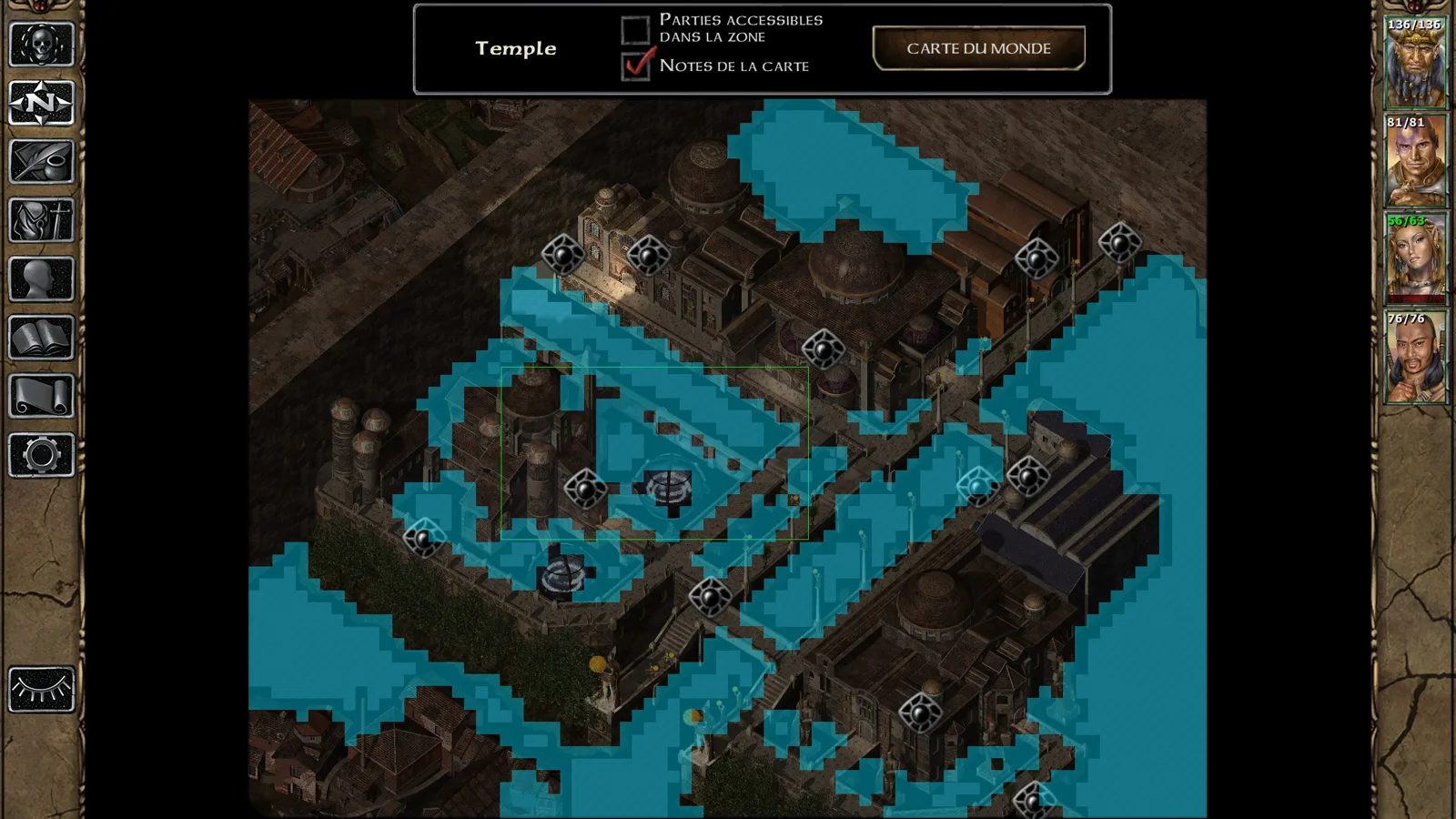
The area selects a WED. The WED places 64 × 64 cells, their primary and secondary art, the liquid slots and the animation lookup.
Water maps · Work in progress
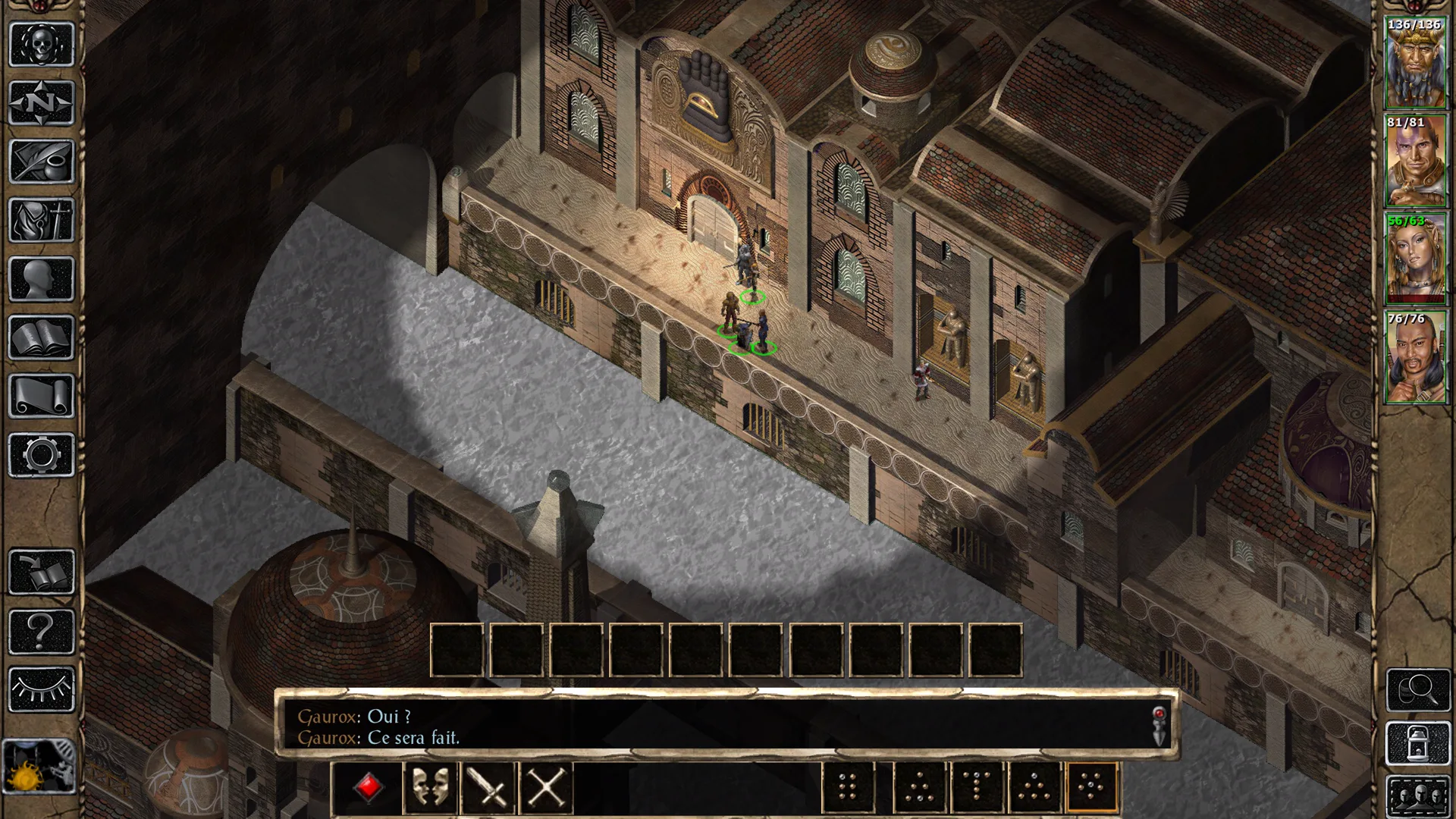
The map artwork, animated overlays, alpha, weather and sometimes a procedural material all have to agree. The current process treats space, time and contours separately.
What the game really draws
The aim is not to replace the old water with a new effect. It is to improve each useful layer without losing the scene-specific shadows, reflections or shorelines.
The area selects a WED. The WED places 64 × 64 cells, their primary and secondary art, the liquid slots and the animation lookup.
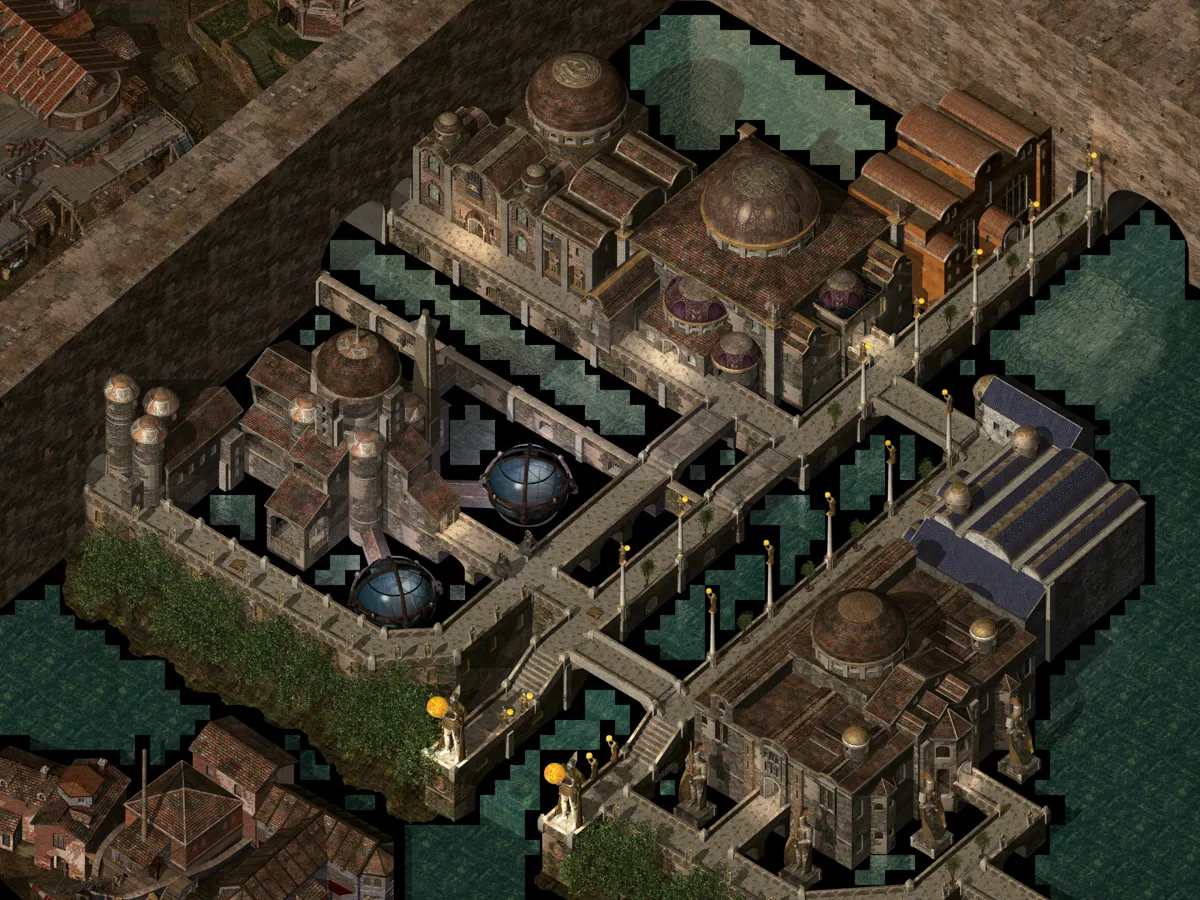
Shadows, reflections, foam, banks and objects can be painted into the base map. Some of that art is intentionally static.

Alpha controls how the artwork and the moving layer meet. It is map-specific: 100, 128 and 160 are all real cases. There is no universal value.
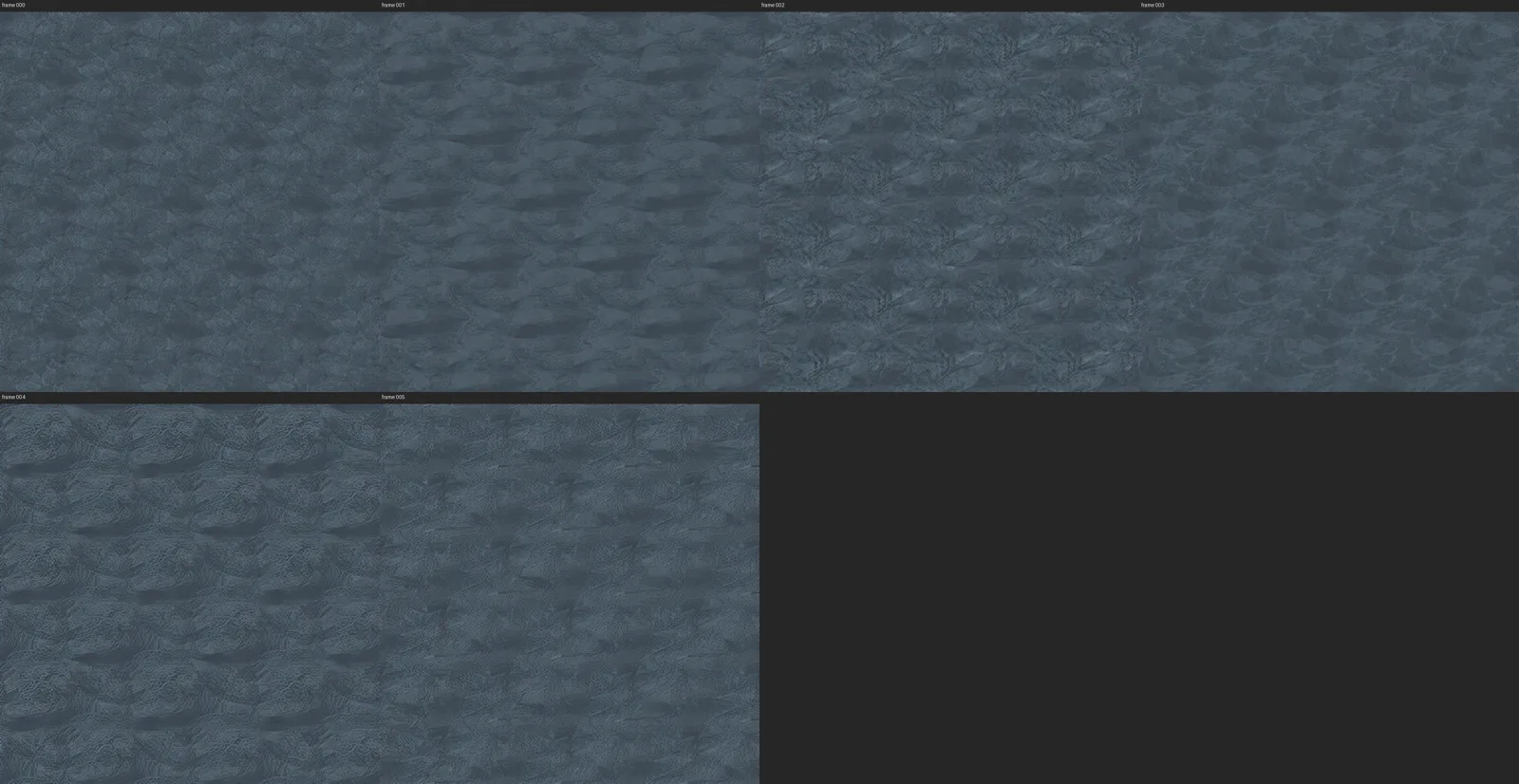
 Native 64 × 64 tile
Lake, pool, swamp, sewage, oil, teal water, brown flow and lava do not share one recipe. Some use one repeated motif; others use four linked A–D tiles.
Three useful alpha references
The swamp uses its own effective opacity.
An ARE value of 0 resolves to 128 on this path.
A valid native choice, not an exception to erase.
The current standard chain
Each stage answers a different problem. A map can use only the stages it needs, but spatial work comes before the 30 FPS build, and a rebuilt base must not overwrite finished contour work.
Read the actual WED slots and their dry/rain resources.
Build a periodic 3 × 3 context, or a joint 2 × 2 A–D pattern.
Use SeedVR where it helps; use bilinear for pool and lava where SeedVR creates a grid.
Crop the centre, preserve native overlay alpha and encode 256 × 256 BC3 tiles.
Give the map private aliases so shared WT resources and other areas remain untouched.
Start from the native x1 keys, before any per-image upscale variation appears.
Interpolate a closed periodic loop with a trigonometric temporal method.
Upscale the complete loop coherently: one SeedVR video chunk for generative families, the selected non-generative method where required.
Store real phases — 72 over 2.4 seconds for the validated six-key cases.
Set source and target to 30 FPS: no shader half-frame blur and no Apollo optical flow.
Work on the complete WED canvas, not on isolated tile edges.
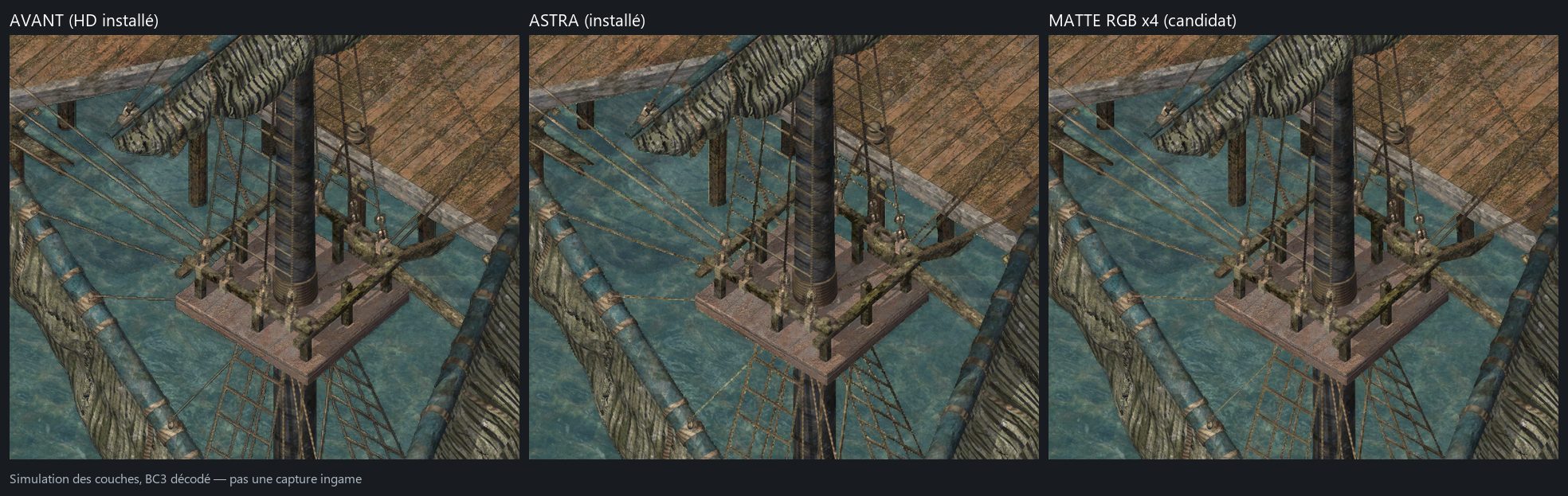
Use the sharp x4 RGB silhouette instead of vectorising thin x1 ropes.
Recolour the bright or black fringe from inside the same object.
Pair primary and secondary coverage with the map’s effective alpha.
Re-encode only touched BC3 blocks and rebuild their atlas margins.
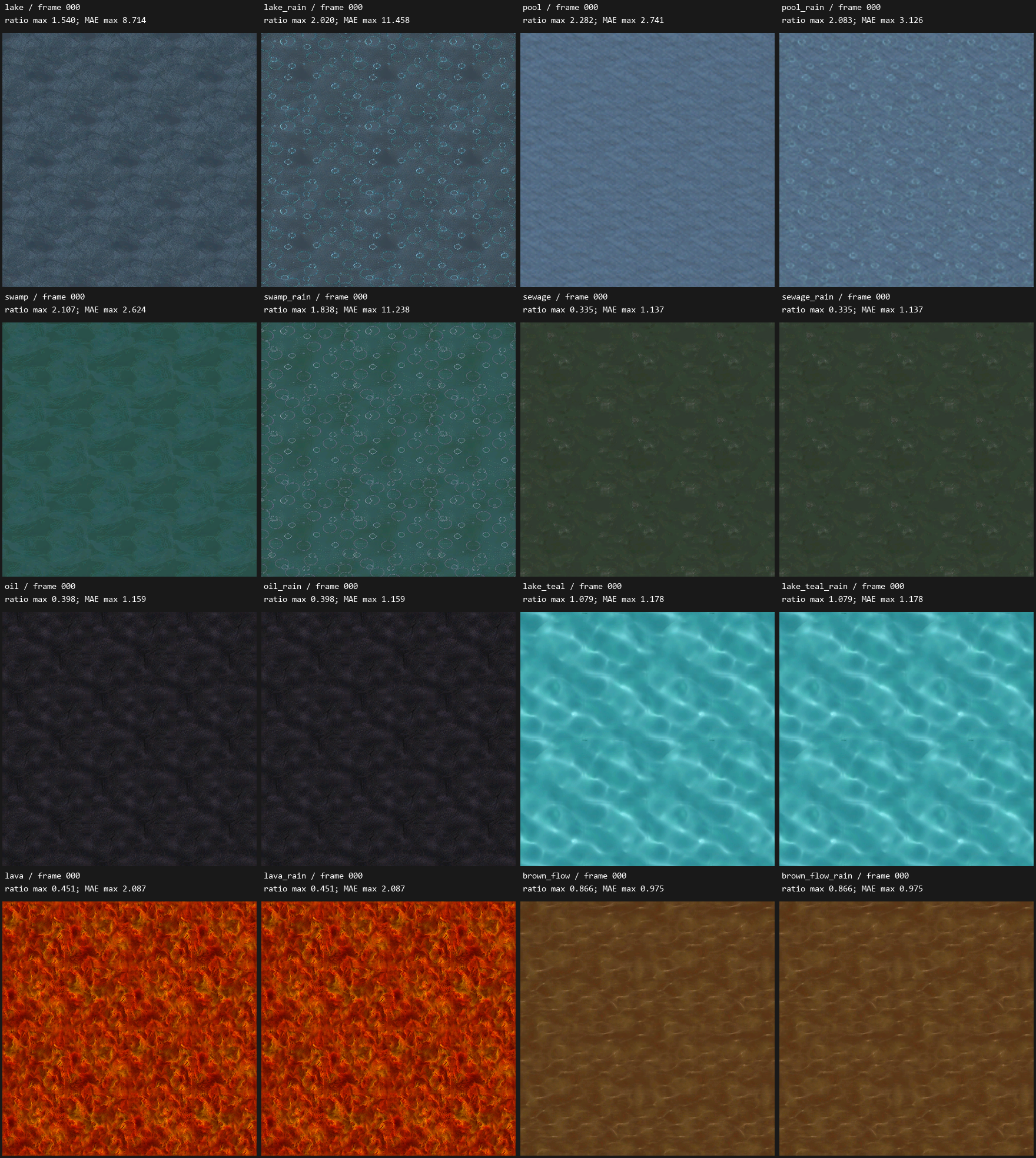
One infrastructure, several contracts
“AI upscale everything” is not the rule. The native topology and the observed failure decide whether the spatial pass is generative, bilinear or left alone.
SeedVR periodic ×4. AR1600 validates the 72-phase loop and contour process.
Witness · AR1600Bilinear ×4: SeedVR amplified the source’s diagonal weave into a visible grid.
Full chain · AR0703SeedVR ×4, map-specific opacity and a separate rainy resource when used.
Witness · AR1607SeedVR ×4. The complete A → B → C chain is accepted with a contour reserve.
Full chain · AR2100SeedVR ×4, while preserving its historically validated composition contract.
Witness · AR0413Four motifs are processed together. Its exact 30 FPS cycle is still unresolved.
Spatial witness · AR3000A joint A–D pattern keeps real neighbour relations. Temporal duration remains open.
Spatial witness · AR5203Bilinear ×4 removed the generated grid. The emissive runtime material and 288-phase case remain blocked.
Spatial witness · AR0011Why the temporal method changed
The earlier 36-phase Apollo test was rejected. Its optical flow did not fit shimmering water, and separately upscaled anchors produced a visible pulse every 0.4 seconds.
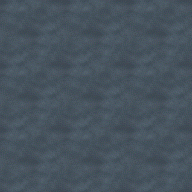
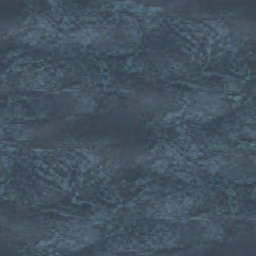
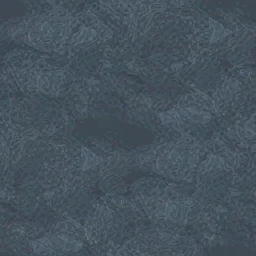
72 phases are not a universal number. It is the result for a six-key, 2.4-second cycle. Eight-, eleven- and twelve-key A–D systems need their own proven duration and capacity. Lava would require 288 phases under the current assumption, more than the current single-page limit.
Optional runtime material
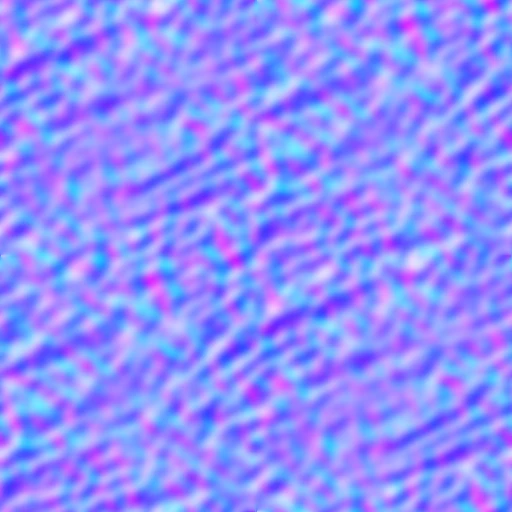
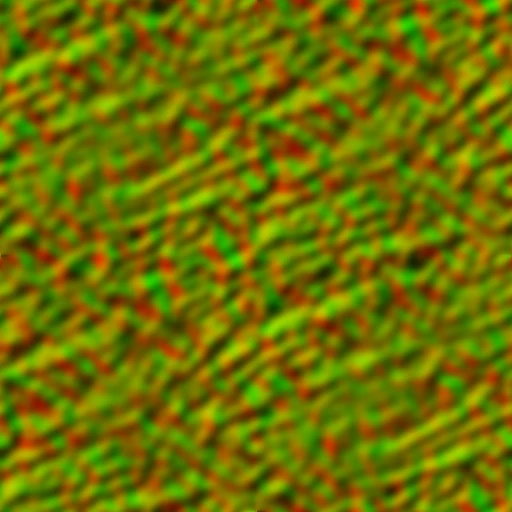
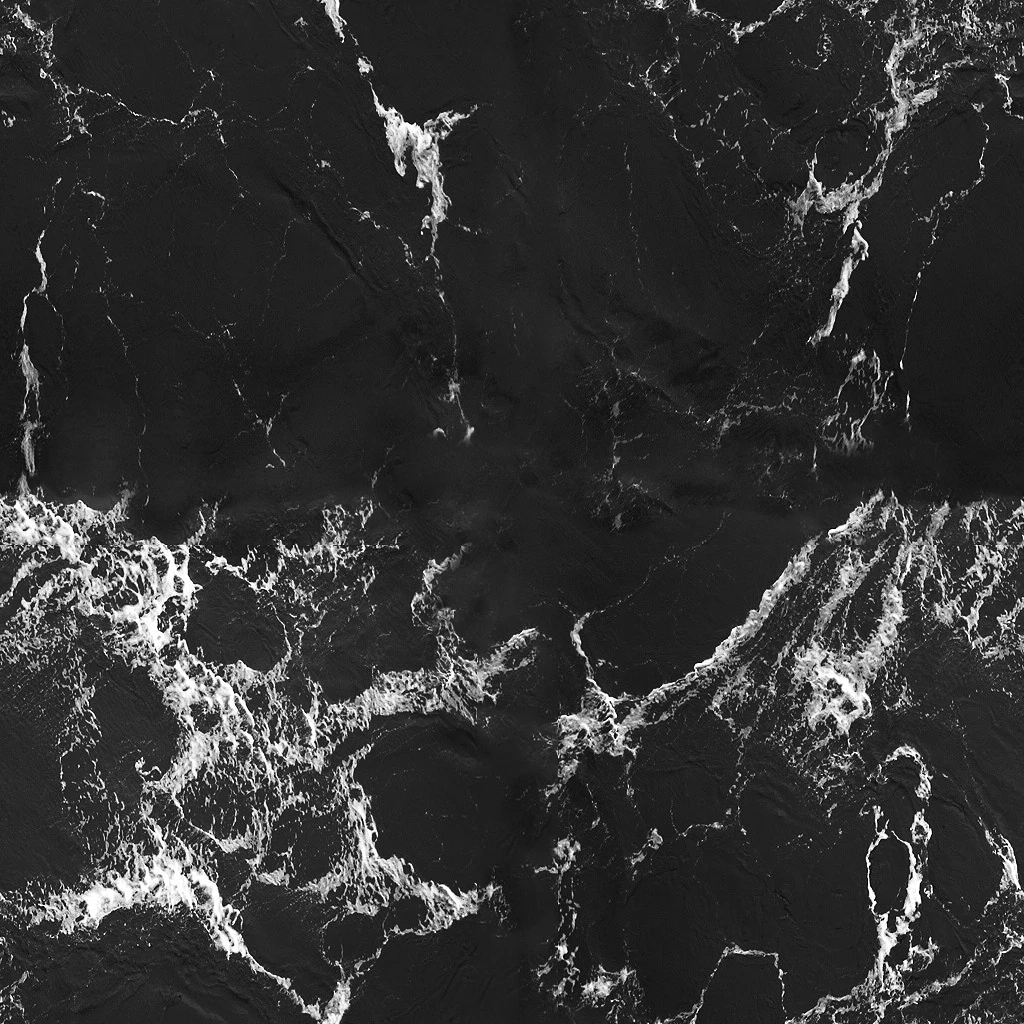
q blends the original overlay with a procedural material. It does not control map alpha, and it is enabled only for exact identities whose assets, material and runtime registry have been tested together.
No procedural contribution. It uses the overlay currently installed; it does not restore vanilla assets if those files have changed.
Used where it restores readable motion or the chosen material has been approved, including qualified pool cases.
Clear water, swamp and sewage use different profiles. Oil, interiors and emissive lava do not inherit lake settings automatically.
 Normal
 DuDv
 Foam
U₂ = mix(U, P, q)
C = aA + (1−a)U₂A: local map art · U: original liquid overlay · P: procedural material · a: effective map-art opacity.
The real draw path also depends on primary and secondary passes. This formula explains the intent; it is not a universal alpha recipe.
Isolation, night and weather
The standard chain gives each processed map private aliases. The original shared WT resources stay intact, and the WED points only the chosen area to its new dry alias.
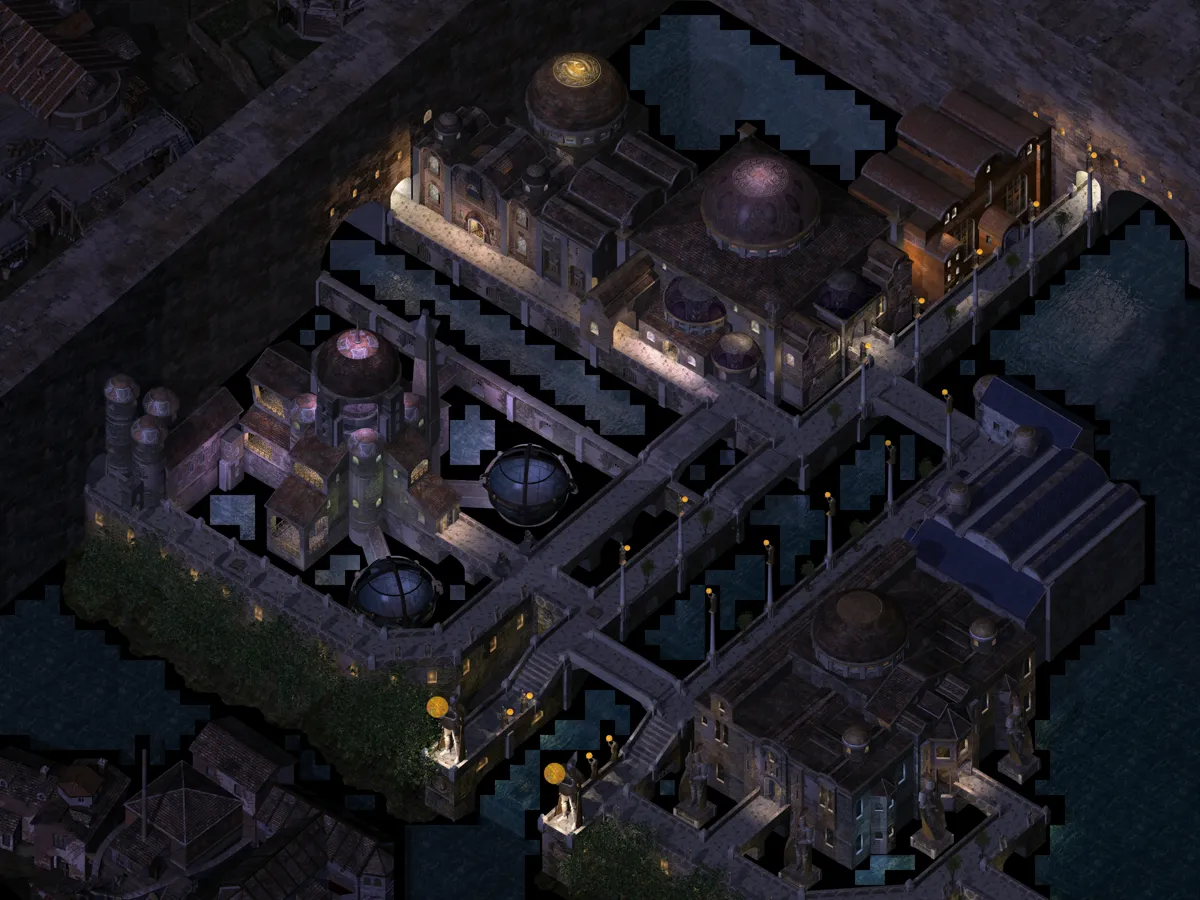
When the game uses an alternate rainy resource, the pipeline creates the matching R alias and keeps its timeline coherent. Installing it does not prove that rain was observed in game.
What failures teach us
These examples are rejected outputs or diagnostic views. They stay useful because each one points to a different part of the system.
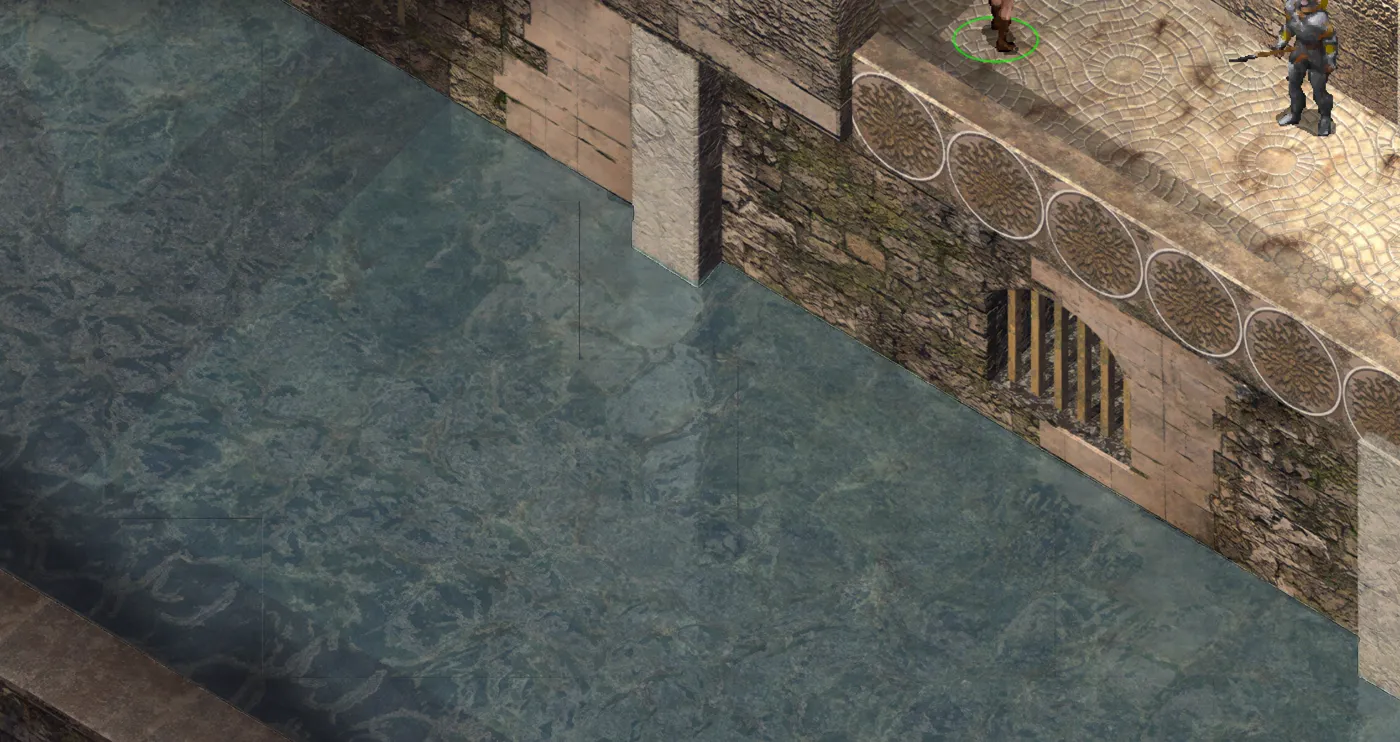
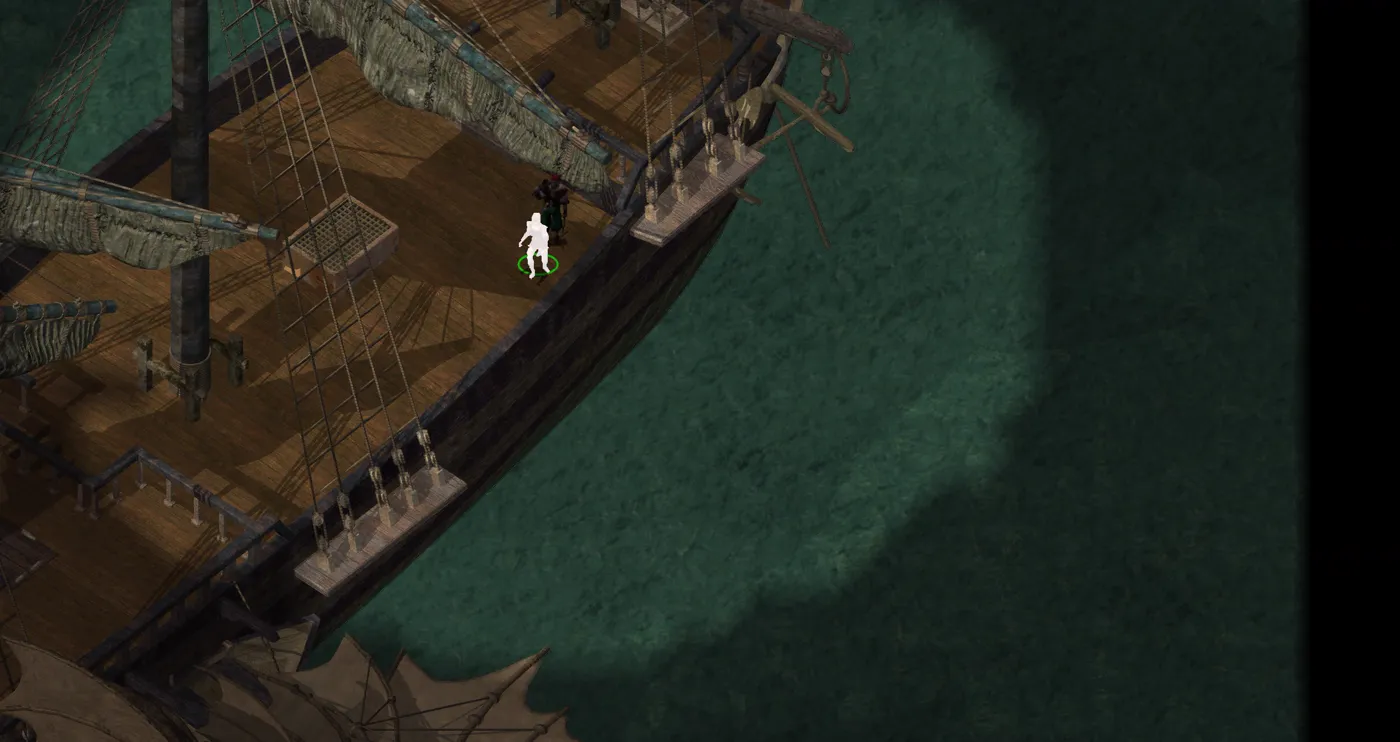
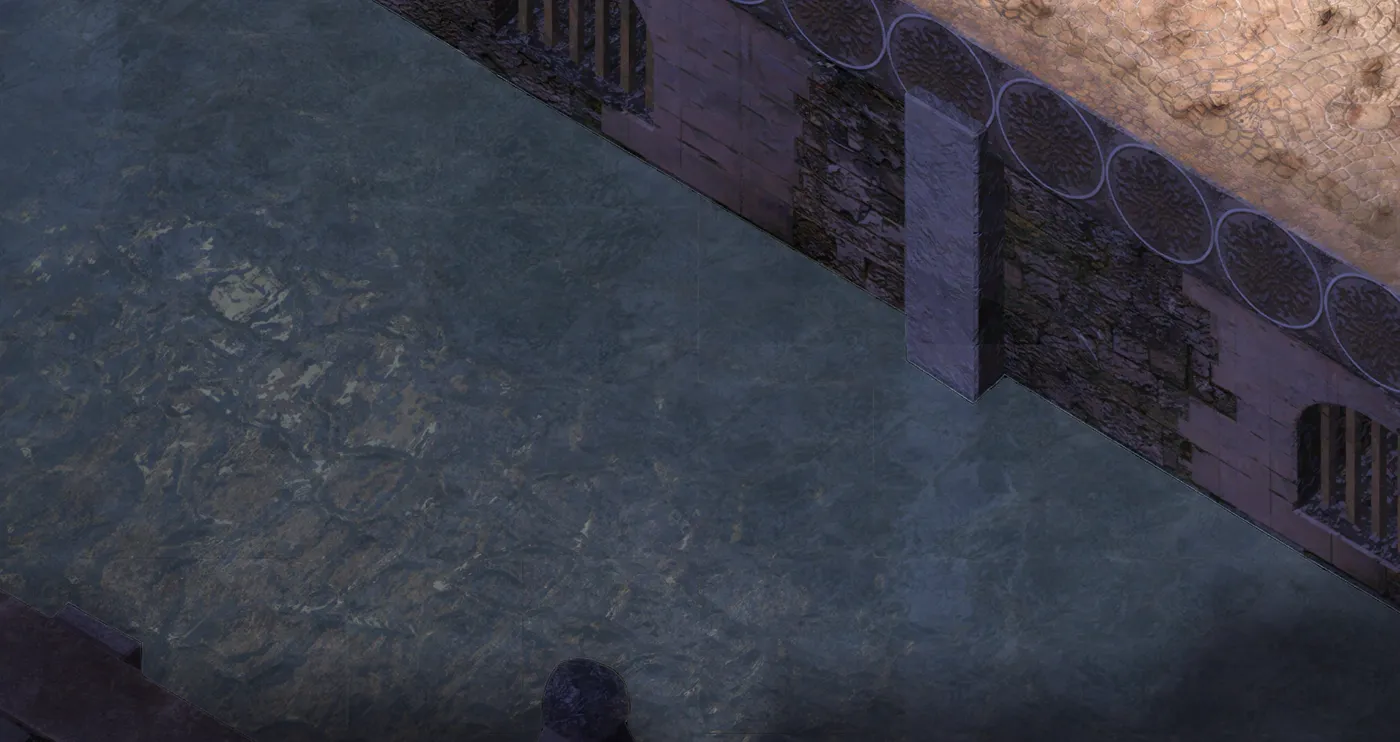
Current validation
Every map still receives its own in-game review. A family witness proves a reusable method, not every consumer, weather state or release package.
Lake, sewage and pool now have in-game witnesses across spatial, temporal and contour work, with documented reserves where needed.
Some maps are installed pending QA. Multi-tile timing, emissive lava, rain observations and several local surfaces remain open.
A successful local test does not add the page or any water candidate to the public release.
The rule that survived every test
The standard chain is now shared, but each family keeps its topology, timing, material and map-specific alpha. That is what prevents a cleaner texture from becoming worse water.